
Imagine being sick for years—but never having a name for why.
You have had a wet, productive cough for as long as you can remember. You are constantly congested.
Ear infections keep coming back. Sinus infections become part of your normal life. Maybe you spent time in the NICU as a newborn because you couldn't breathe well.
Yet instead of one unifying diagnosis, you collect
explanations:
"It's asthma."
"It's allergies."
"It's chronic sinusitis."
"Kids just get sick a lot."
"You'll grow out of it."
For some people with Primary Ciliary Dyskinesia (PCD), this can be the reality for years—or even decades.
And that is one of the most frustrating things about PCD:
The disease can be present from the beginning, while the diagnosis remains hidden.
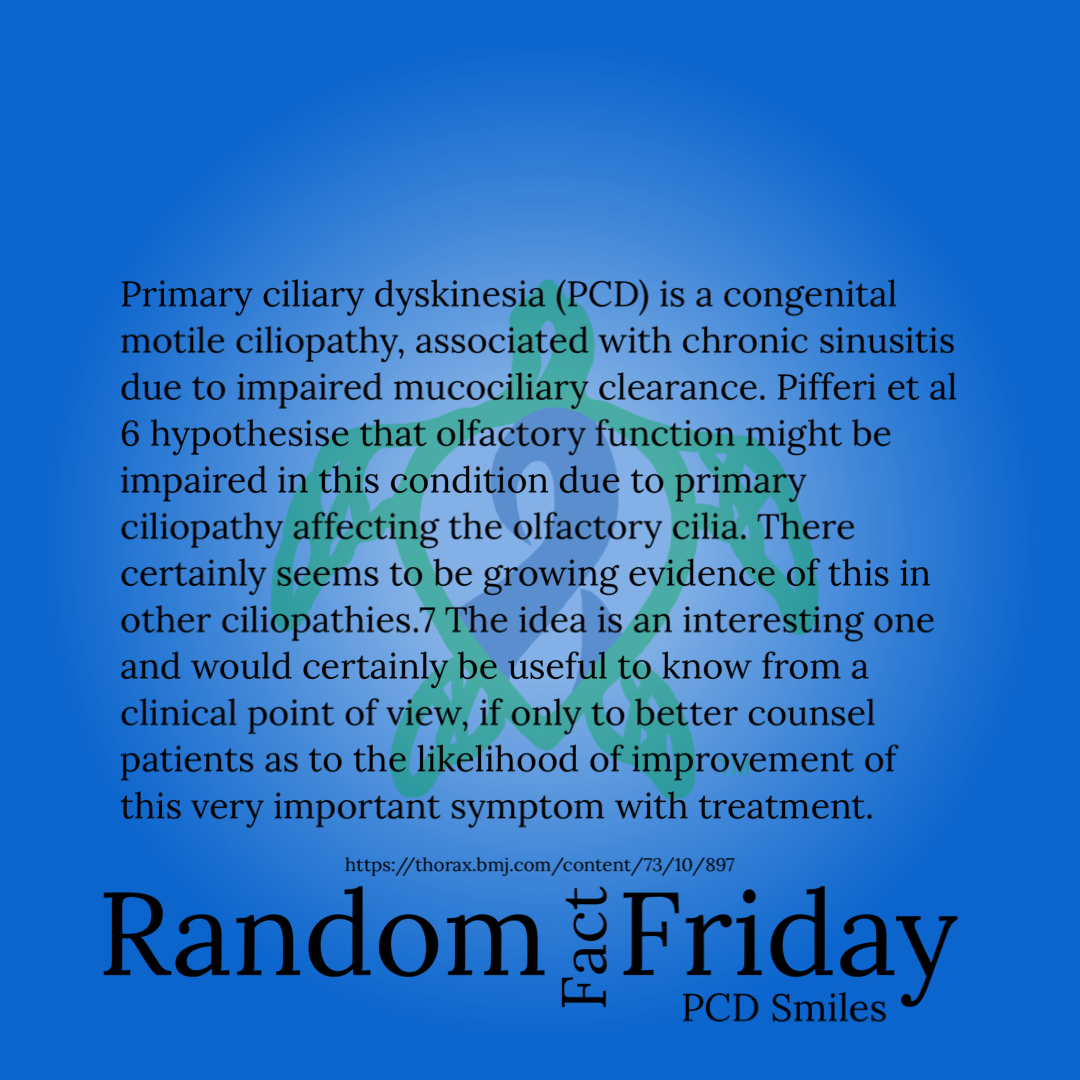
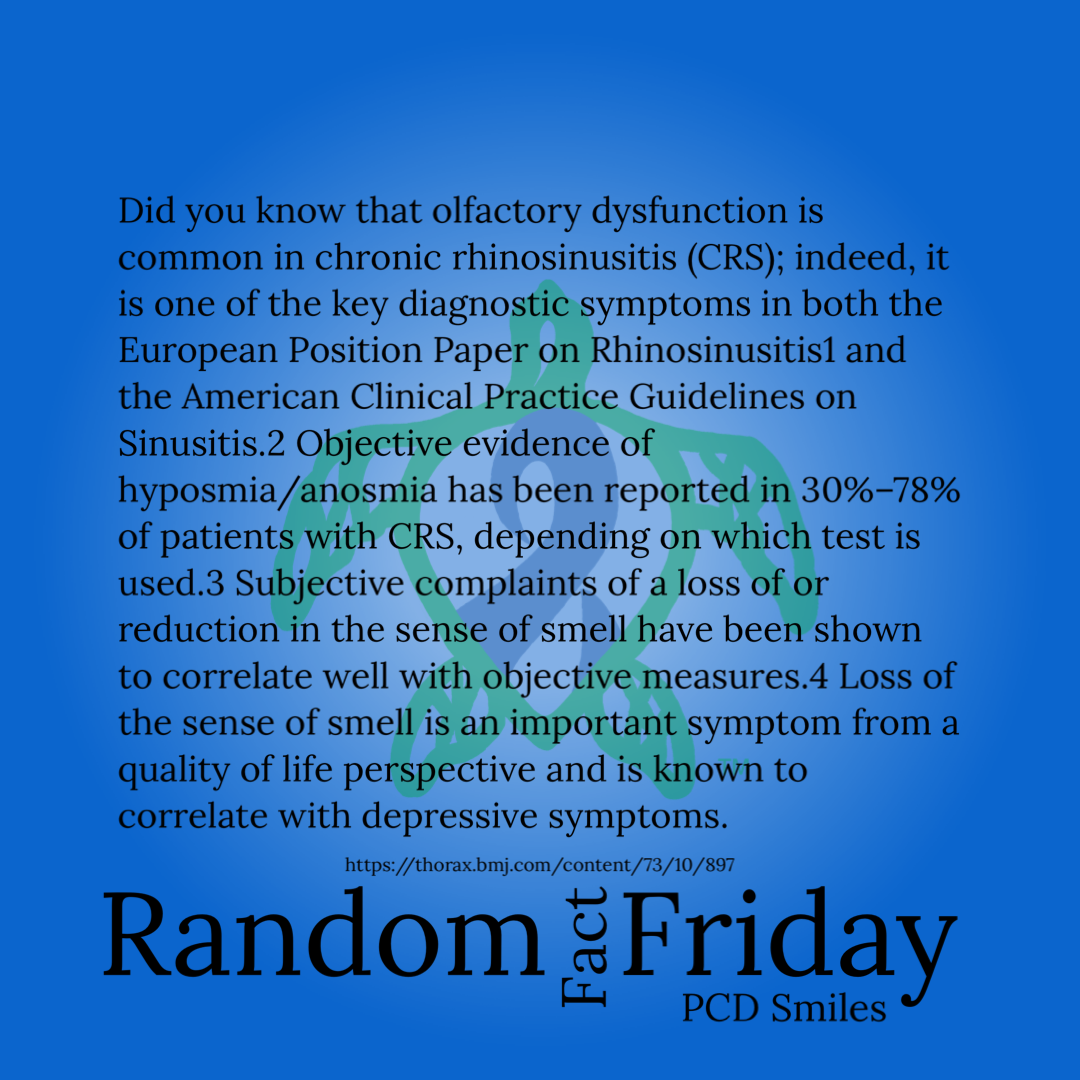
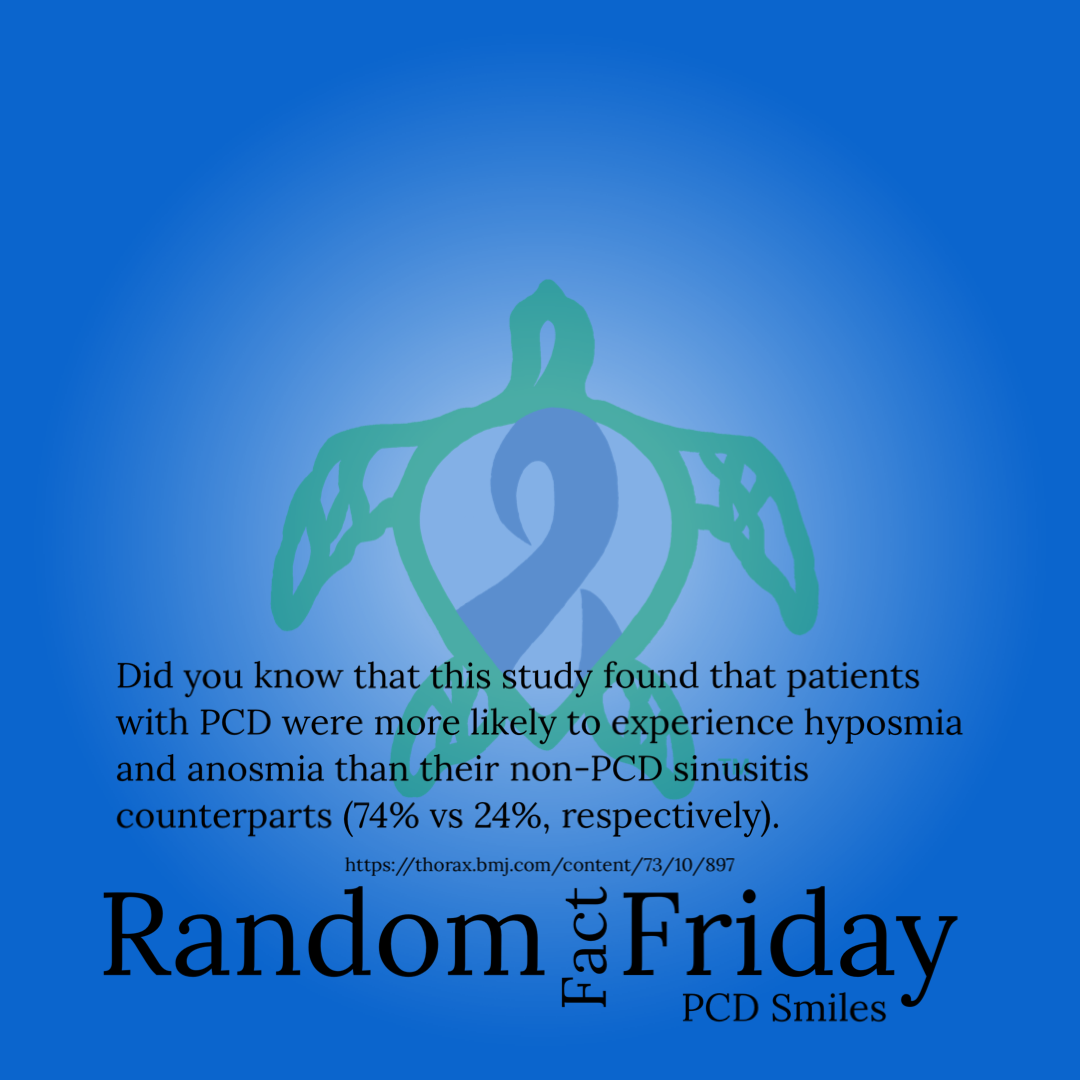
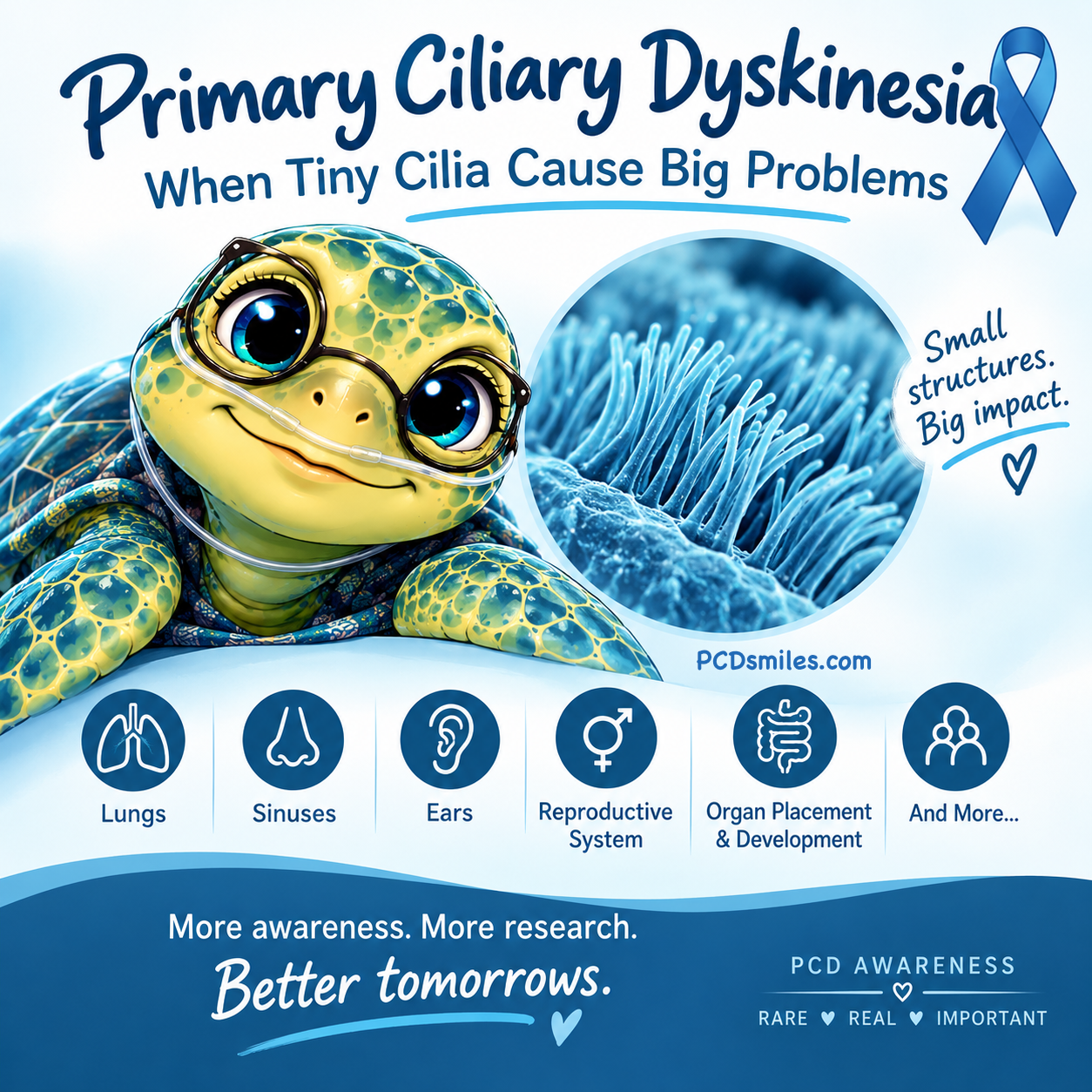
PCD is a rare genetic disorder caused by problems with the function of motile cilia—tiny structures that normally move mucus and trapped particles through the respiratory tract. Because cilia are also involved in other parts of the body, PCD can affect the lungs, sinuses, middle ears, reproductive system, brain. and the development of left-right organ placement.
The problem is that there is no single symptom that screams "PCD."
There is also no single test that can identify or rule out every case.
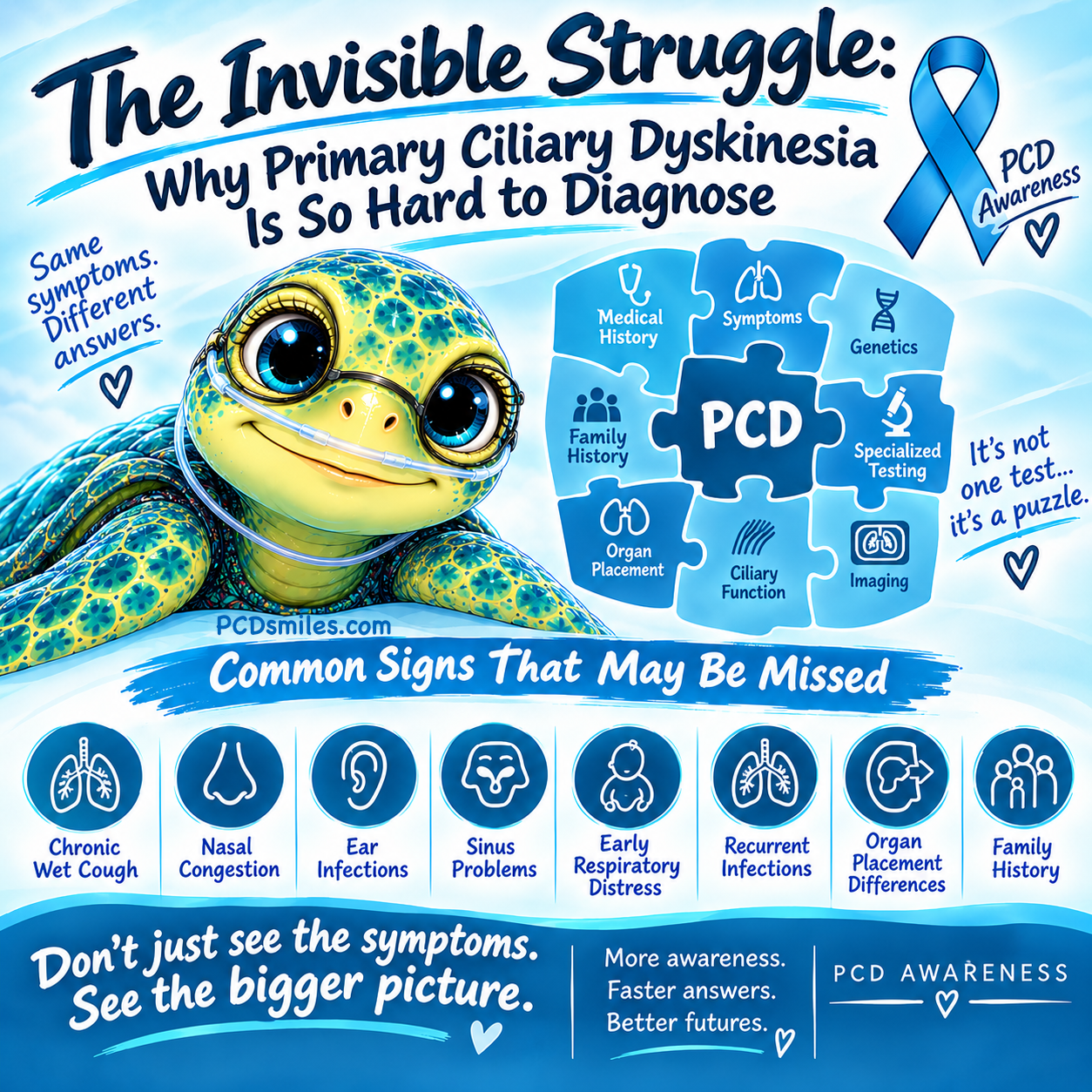
Instead, diagnosing PCD is more like putting together a complicated puzzle.
And sometimes, even after all the pieces are examined, the picture still isn't completely clear.
Why Is PCD So Difficult to Recognize?
The first problem is simple:
PCD often looks like something much more common.
A child with PCD may have:
- A chronic wet cough
- Constant nasal congestion
- Recurrent sinus infections
- Frequent ear infections
- Hearing problems related to middle-ear disease
- Recurrent bronchitis or pneumonia
- Unexplained respiratory problems shortly after birth
- Difficulty clearing mucus
- Headaches
- Bronchiectasis at a young age
But none of these symptoms belongs exclusively to PCD.
A chronic cough can be asthma.
Nasal congestion can be allergies.
Sinus infections can be chronic sinusitis.
Ear infections are extremely common in childhood.
Pneumonia can happen for many reasons.
And children really do get frequent respiratory infections.
So the individual symptoms can be easy to explain away.
The clue is often the pattern.
Current ERS/ATS guidance emphasizes that the likelihood of PCD increases when characteristic features occur together—for example, early-onset chronic wet cough, chronic nasal symptoms, unexplained neonatal respiratory distress, organ laterality abnormalities, chronic middle-ear disease, or other compatible findings.
The challenge is recognizing that these seemingly unrelated problems may actually be connected.
PCD Can Hide in Plain Sight
One of the biggest reasons diagnosis is delayed is that PCD doesn't always announce itself dramatically.
Some people are extremely sick as newborns.
Others may simply seem to have "one respiratory infection after another."
Some have obvious bronchiectasis.
Others don't receive that diagnosis until later in life.
Some have organ laterality abnormalities.
Others have completely typical organ placement.
Some have significant ear disease.
Others don't.
PCD is clinically heterogeneous, meaning it can look different from one person to another. The genetic causes are also diverse, with disease-causing variants identified in more than 55 genes.
That variability makes the disease harder to recognize.
There isn't one standard PCD patient.
There isn't one standard PCD story.
And there certainly isn't one symptom that can diagnose it.
The "Common Diagnosis" Trap
When a rare disease looks like a common disease, the common disease usually gets considered first.
That makes sense.
A doctor seeing a child with wheezing may reasonably investigate asthma.
A child with repeated sinus infections may reasonably be evaluated for allergies or chronic sinus disease.
A child with repeated ear infections may reasonably receive treatment for middle-ear disease.
The problem occurs when the entire pattern never gets put together.
What if the child has:
- A wet cough that never completely goes away
- Chronic nasal congestion
- Recurrent ear infections
- Repeated lower respiratory infections
- A history of unexplained newborn respiratory distress
Individually, each problem has many possible explanations.
Together, they should raise the question:
Could something be preventing this person's airways from clearing mucus normally?
That is where PCD needs to enter the conversation.
PCD Isn't Just a "Lung Disease"
Another reason PCD can be missed is that the clues may appear in different parts of the body.
The respiratory symptoms may lead one doctor toward pulmonology.
Ear problems may lead to an ENT specialist.
Fertility problems may not appear until adulthood.
Organ laterality may be discovered incidentally during imaging.
A person may see several specialists without anyone realizing that these seemingly separate problems could have one underlying cause.
PCD can involve:
Lungs — chronic wet cough, recurrent infections, bronchiectasis
Sinuses — chronic nasal congestion and rhinosinusitis
Ears — chronic middle-ear disease and hearing problems
Heart and organ placement — some people have laterality abnormalities and, particularly with heterotaxy, congenital heart disease
Reproductive system — fertility or subfertility can occur
That means PCD can sometimes require doctors to connect clues across multiple medical specialties.
There Is No Single "PCD Test"
This is perhaps the most important thing for the public to understand.
If someone has diabetes, a blood test can provide a major piece of the diagnostic puzzle.
If someone has a broken bone, an X-ray can usually show it.
PCD is different.
There is no single test that can diagnose every person with PCD, and no single test can reliably rule it out in every person. Current ERS/ATS guidance recommends using complementary tests rather than relying on one test alone.
Depending on the patient and the diagnostic center, testing may involve:
Nasal Nitric Oxide (nNO)
People with PCD often have very low nasal nitric oxide levels.
This can be an important part of the diagnostic work-up, particularly in older children and adults who can perform the required breathing maneuver.
But nNO is not a stand-alone PCD test.
A normal result does not automatically settle the question when clinical suspicion remains high.
High-Speed Video Microscopy
Doctors can collect respiratory epithelial cells and watch the cilia under specialized microscopy.
They aren't simply asking:
"Do the cilia move?"
They may need to examine how the cilia move—including their beat pattern and coordination.
And interpretation requires specialized expertise.
Genetic Testing
Genetic testing has become an increasingly important part of PCD diagnosis.
But PCD isn't caused by one gene.
Disease-causing variants have been identified in more than 55 genes, and the genetic landscape continues to evolve.
A genetic result therefore isn't always as simple as:
Positive = PCD
Or
Negative = no PCD.
The meaning of a genetic result depends on the specific variants, the genes tested, laboratory interpretation, and the person's clinical picture.
Current guidelines encourage pursuing a genetic diagnosis when appropriate, particularly because it can help clarify the diagnosis and may have implications for management and future therapies.
Transmission Electron Microscopy (TEM)
TEM allows specialists to examine the ultrastructure of cilia at extremely high magnification.
Some characteristic structural abnormalities can provide strong diagnostic evidence.
But not every person with PCD has an obvious structural abnormality visible on TEM.
That means:
A normal-looking cilium does not necessarily mean a normally functioning cilium.
Current guidance specifically recommends additional diagnostic evaluation when the clinical history strongly suggests PCD despite normal ciliary ultrastructure.
Immunofluorescence and Other Specialized Testing
Additional tests can examine the presence and location of specific ciliary proteins or investigate ciliary function in other ways.
These tests can provide additional pieces of the puzzle.
But again, the important point is that PCD diagnosis is built from complementary evidence.
Why a "Negative" Test Doesn't Always End the Investigation
This is one of the most difficult concepts for families to understand.
It can be tempting to think:
Test negative → PCD ruled out.
But PCD does not always work that way.
Current ERS/ATS guidance states that no single adjunct test—or even a single reference test—is sufficient to exclude PCD in every patient. The person's symptoms and the overall pre-test probability matter when interpreting results.
That means a person with a very strong clinical history may require additional evaluation even when an individual test doesn't provide a definitive answer.
In some cases, the final result may be described as inconclusive rather than simply positive or negative.
That can be incredibly frustrating for patients.
Imagine being told:
"We can't prove you have it."
while also hearing:
"We can't completely rule it out."
For someone who has been sick for years, that uncertainty can be emotionally exhausting.
Even the Experts Don't Always Have an Instant Answer
PCD diagnosis requires specialized knowledge.
The tests themselves can be technically demanding.
The samples must be collected properly.
The laboratory must know how to process them.
The person interpreting the results needs experience recognizing the wide range of normal and abnormal ciliary patterns.
And the results need to be interpreted alongside the patient's clinical history.
The ERS/ATS guideline therefore emphasizes evaluation at referral centers experienced in PCD diagnosis and stresses that diagnostic tests need to meet appropriate quality standards.
This is important because PCD isn't simply a matter of ordering a test.
It is a specialized diagnostic process.
Geography Can Become Part of the Diagnostic Problem
Specialized PCD testing isn't necessarily available at every community hospital or local doctor's office.
A patient may live hours away from a center with the expertise and equipment needed for advanced testing.
That can mean:
Long-distance travel
Time away from work or school
Travel and lodging expenses
Childcare challenges
Long waits for specialist appointments
And sometimes the hardest part is simply knowing where to go.
The diagnostic challenge is therefore not only scientific.
It can also be an issue of access.
The ERS has noted that the complexity, expense, equipment requirements, and specialized expertise involved in PCD testing can limit availability to specialized centers.
The Organ-Placement Clue Can Help—But It Doesn't Catch Everyone
PCD has another unusual feature that can sometimes provide an important clue.
Special cilia called nodal cilia, which act like motile cilia, are involved in establishing left-right body orientation during embryonic development.
As a result, some people with PCD have abnormalities in the arrangement of their internal organs.
About half of people with PCD have some type of situs abnormality.
One possibility is situs inversus, in which the arrangement of the organs is essentially mirrored.
When PCD occurs with chronic sinus and respiratory disease and situs inversus, the historical term Kartagener syndrome may be used.
But here's the critical point:
Not everyone with PCD has abnormal organ placement.
A person can have completely typical organ arrangement and still have PCD.
So normal organ placement should never be used as a reason to dismiss the possibility of PCD when the clinical picture is otherwise strongly suggestive.
This is one of the reasons the old stereotype of PCD as simply "the disease where your organs are backward" can be so misleading.
The Damage Can Begin Before the Diagnosis
The diagnostic delay matters because PCD doesn't stop affecting the lungs while doctors are trying to figure it out.
When mucus isn't cleared effectively, bacteria and other material can remain in the airways.
Repeated infections and chronic inflammation can contribute to progressive airway damage and bronchiectasis.
That doesn't mean every person with PCD follows exactly the same course.
But it does mean that recognizing PCD earlier can provide an opportunity to begin appropriate monitoring and care sooner.
The goal of diagnosis isn't simply to put a name on someone's condition.
The goal is to understand what is happening so the person can receive appropriate care.
Early recognition can help patients access airway-clearance strategies, monitoring, treatment of respiratory infections, hearing and sinus care, reproductive counseling when appropriate, and specialized multidisciplinary care.
Current ERS/ATS guidance emphasizes the importance of accurate diagnosis and multidisciplinary management as part of improving outcomes for people with PCD.
What Should Make Someone Think About PCD?
PCD shouldn't be suspected because of one ordinary cold.
It's the combination, persistence, and early onset of symptoms that matters.
Some clues include:
A chronic wet cough beginning early in life
Persistent nasal congestion or chronic rhinosinusitis
Chronic middle-ear disease or hearing problems
Unexplained respiratory distress in a full-term newborn
Repeated respiratory infections
Bronchiectasis without another clear explanation
Situs abnormalities or certain congenital heart conditions
A sibling or close relative with PCD
A family history suggesting an inherited disorder
And importantly:
A person does not need to have every one of these features.
PCD is variable.
That's why recognizing the overall pattern is so important.
Why Awareness Matters
PCD is rare.
But rare does not mean invisible.
A child with a wet cough shouldn't automatically be assumed to have PCD.
An adult with sinus problems doesn't automatically have PCD.
Someone with bronchiectasis doesn't automatically have PCD.
But when multiple characteristic features occur together—especially when symptoms began early in life—the possibility deserves consideration.
The biggest diagnostic barrier may not be that PCD is impossible to test for.
It may be that nobody thinks to look for it.
And once PCD is suspected, the next challenge is finding a center with the experience and diagnostic tools necessary to investigate it properly.
PCD Diagnosis Is a Puzzle—Not a Single Test
Perhaps the best way to understand PCD diagnosis is to imagine a puzzle.
One piece is the medical history.
Another is the pattern of symptoms.
Another may be nasal nitric oxide.
Another may be high-speed video microscopy.
Another may be electron microscopy.
Another may be genetics.
Another may be immunofluorescence.
And another may be organ placement.
No single piece necessarily tells the entire story.
But when experienced specialists put the pieces together, they can sometimes finally see what has been hiding in plain sight.
That is why awareness matters.
The earlier PCD enters the conversation, the sooner appropriate diagnostic testing can begin.
And for someone who has spent years being told that their symptoms are "just asthma," "just allergies," "just sinus infections," or "just another cold," finally having the right question asked can be the beginning of a very different journey.
PCD can be difficult to diagnose—but understanding why it's difficult may help more people recognize the clues, ask the right questions, and reach the specialists who know how to put the puzzle together.
Be sure to join us tomorrow for another conversation about primary ciliary dyskinesia.
Join our Facebook group Turtle Talk Café today.
We have several ways that you can donate to PCD Smiles;
- Visit Smile E. Turtle's Amazon Wishlist
- For more information on how you can donate, please visit our "Donation" page to check out our "Do & Don't policies.
- Or sponsor a PCD Smiles cheer package today!
- To shop for your “Official” turtle care ribbon gear today, visit PCD Style
Thank you for your consideration!
Medical Disclaimer
This article is intended for general educational and informational purposes only and is not a substitute for professional medical advice, diagnosis, or treatment. Infection risks and appropriate prevention strategies can vary considerably between people with PCD based on their lung health, respiratory cultures, treatments, age, and other medical conditions.
This article is for educational purposes and does not establish that over-thinning mucus causes increased infection risk in people with PCD. Responses to airway-clearance and mucoactive therapies vary. Any changes to prescribed treatments should be discussed with a healthcare professional familiar with PCD.
Cleaning and disinfection recommendations for respiratory equipment can also vary by device and manufacturer. Always follow the instructions provided by your healthcare team and equipment manufacturer.
Do not start, stop, or change medications, airway-clearance treatments, infection-control practices, or other aspects of your medical care based solely on this article. If you have PCD and are concerned about an infection, worsening respiratory symptoms, or possible exposure to a pathogen, contact your PCD or respiratory healthcare team for individualized guidance.
If you are experiencing severe or rapidly worsening breathing difficulties or another medical emergency, seek urgent medical attention.